More people are using Waikato’s public transport network but the regional council has still taken a $40 million loss on operational costs.
And ticket prices are about to go up for bus and train users, as the council tries to ensure fares cover more of the cost of the service.
A fare increase was the only option that fit the bill to manage rising fuel costs while not affecting ratepayers, according to council chairperson Warren Maher.
“We don’t want to ask ratepayers to pay more, so increasing passenger revenue is our only real option.”
The council also recently proposed removing free on-peak bus travel for SuperGold members, a move slammed by Grey Power Hamilton.
Operating the public transport system cost the council $51.1 million in the 25/26 financial year, according to a report to the public transport subcommittee. Of that, $42m was for buses and $8m for rail.
Revenue reached $9.7m, which consisted of $7.1m in fares, $440k in third-party funding for concessions, and $1.4m in Crown funding for concessions.
Usage of rail saw a major boost during the quarter, with Te Huia registering a 26% increase on the same time last year. In the same period, week-on-week bus use also rose by 14%.
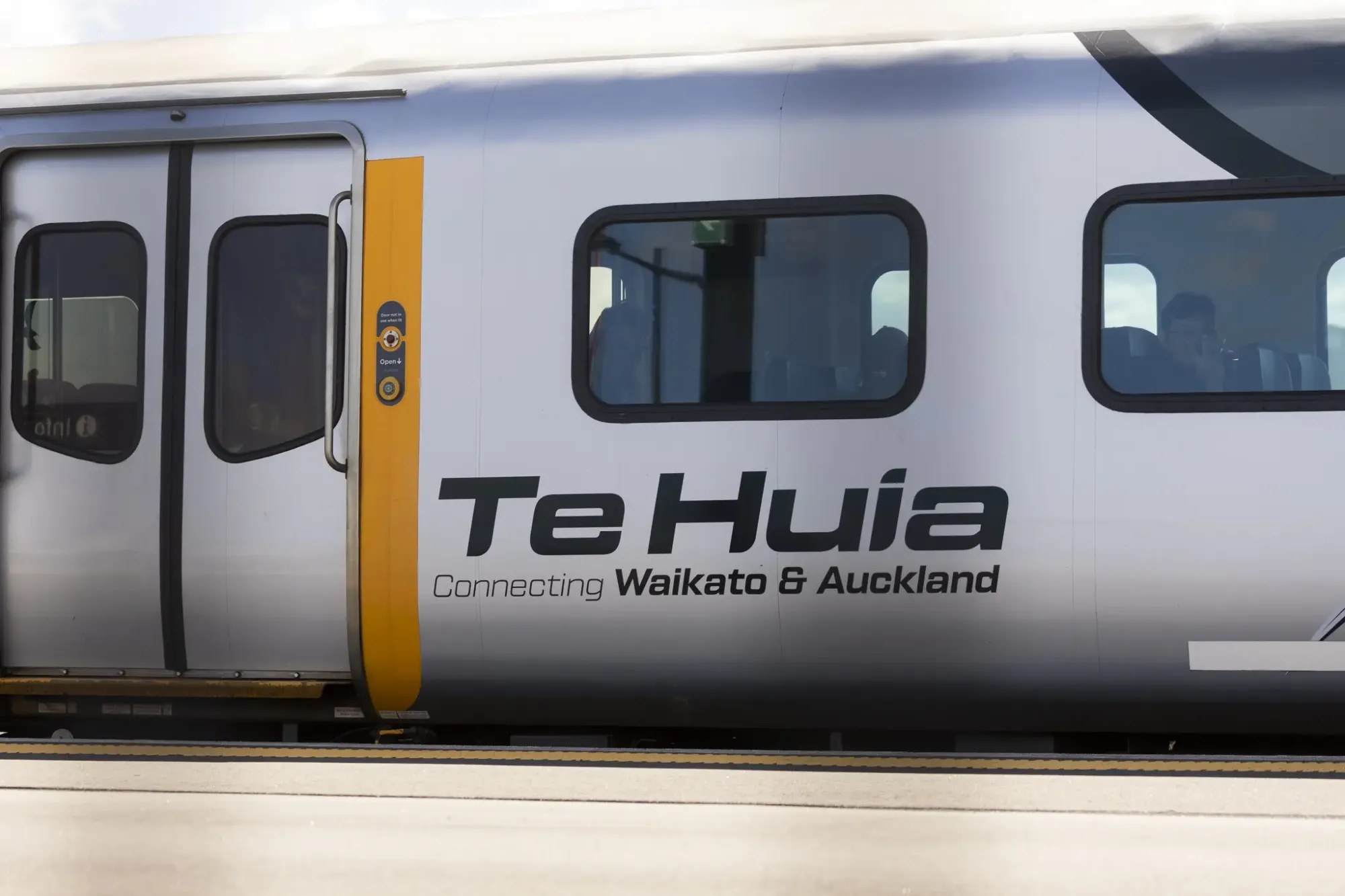
The increase was put down to “continuity of rail services and rising fuel prices”, a council report read, adding council “achieved the private revenue target for the 25/26 financial year” set by NZTA.
It follows previous reporting by Waikato Times where a 14% increase on expected cycling rates was detected by Hamilton City Council in March.
“Over the whole financial year, there are 4,183,094 trips taken on bus services in the Waikato. This is a slight increase compared to the previous financial year,” the report said.
“While patronage has increased steadily from 2022/23, without the introduction of new services or further service level improvement, patronage is now expected to stabilise at current levels.”
Price rises are coming for passengers, with a 25% hike slapped on all Te Huia fares starting on September 28.
It means a return trip from Hamilton to the Strand train station in Auckland would cost Bee card users $60 instead of $48.12. Cash payments would similarly rise from $80 to $100 return.
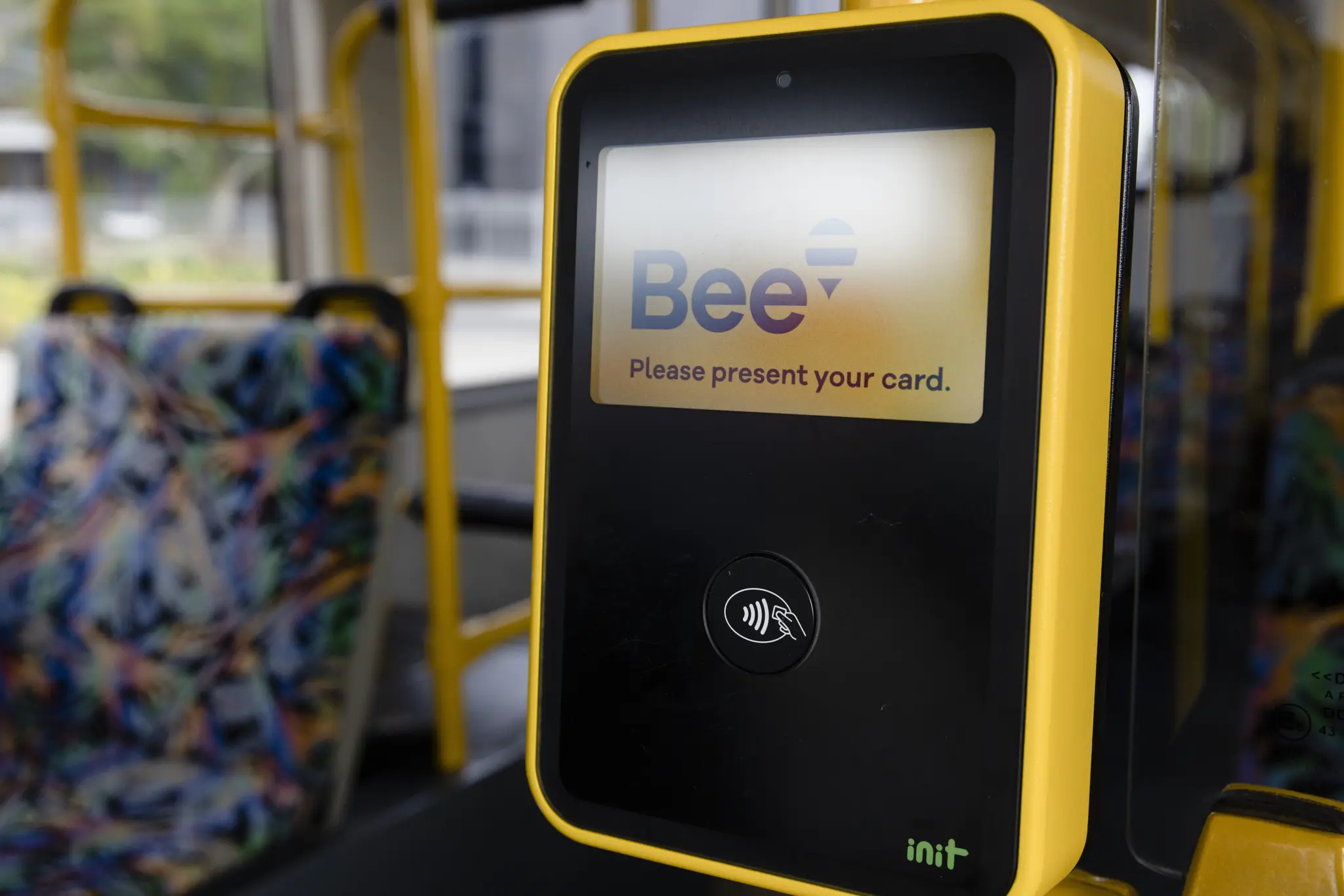
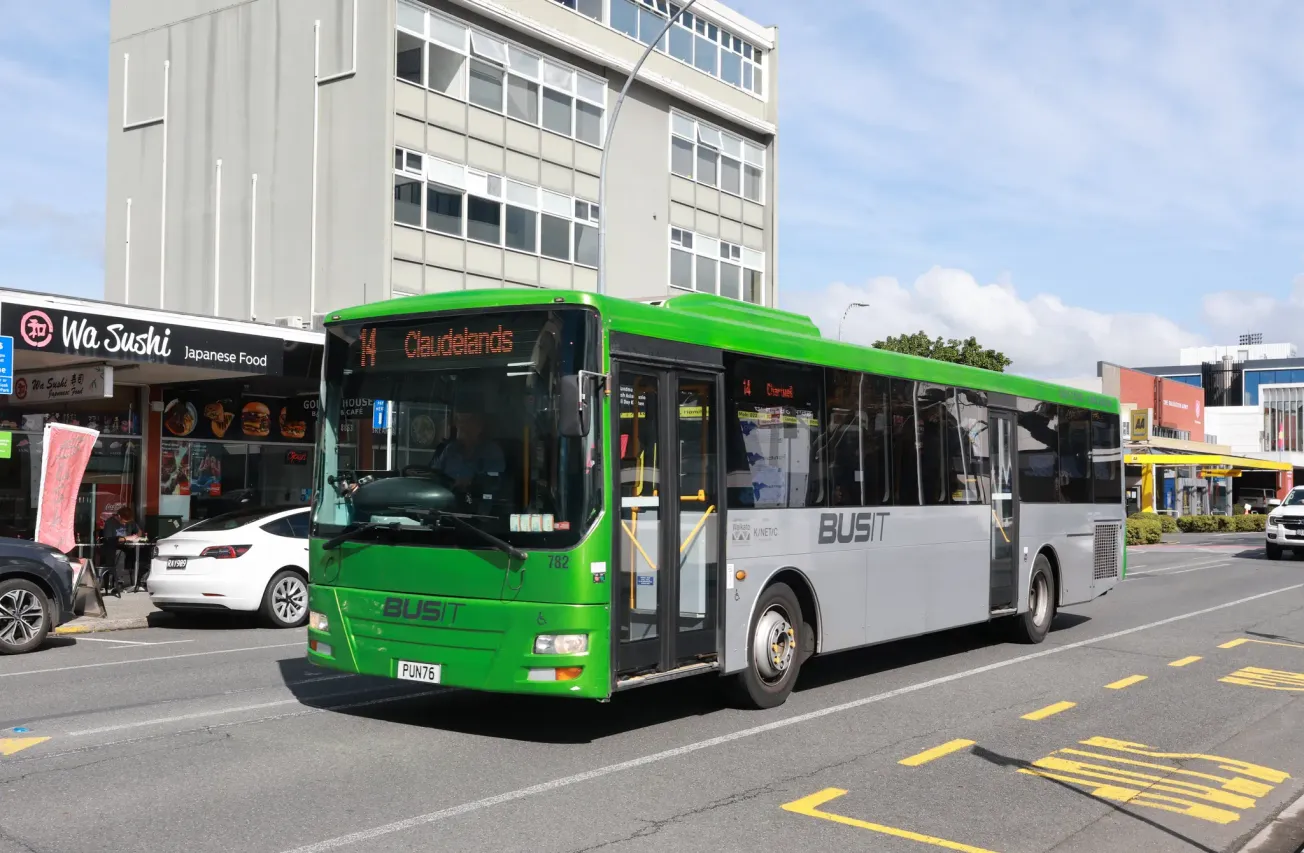
Bus users will also pay more per zone travelled. For example, three zones will cost $5.90 for Bee Card holders instead of $5.35. The maximum zone count, nine, rises from $24.06 to $26.50.
The current ratepayer subsidy per passenger for Te Huia is $34.92. Ratepayer subsidy across bus services vary, but land at approximately $3.62 per passenger (about $3 for urban and $5-$13 for rural routes).
“The ratepayer subsidy varies depending on the overall cost of the service, its patronage, and the fares collected through the year,” the report said.
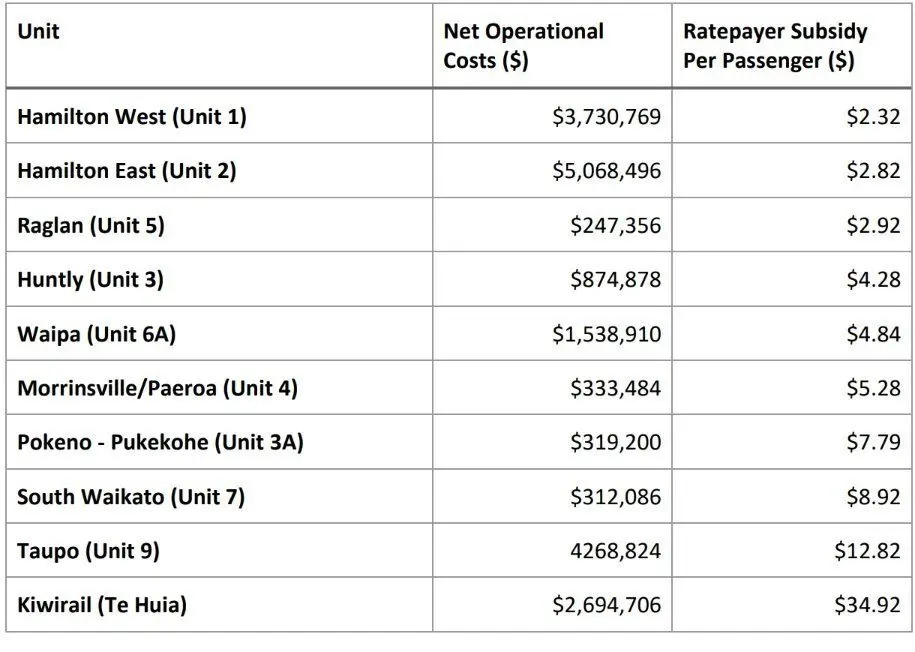
“Commercial sources of revenue that offset the Council share of operational expenditure, such as bus back advertising and Bee Card sales, are managed at a network level but are apportioned to units by service kilometres.”