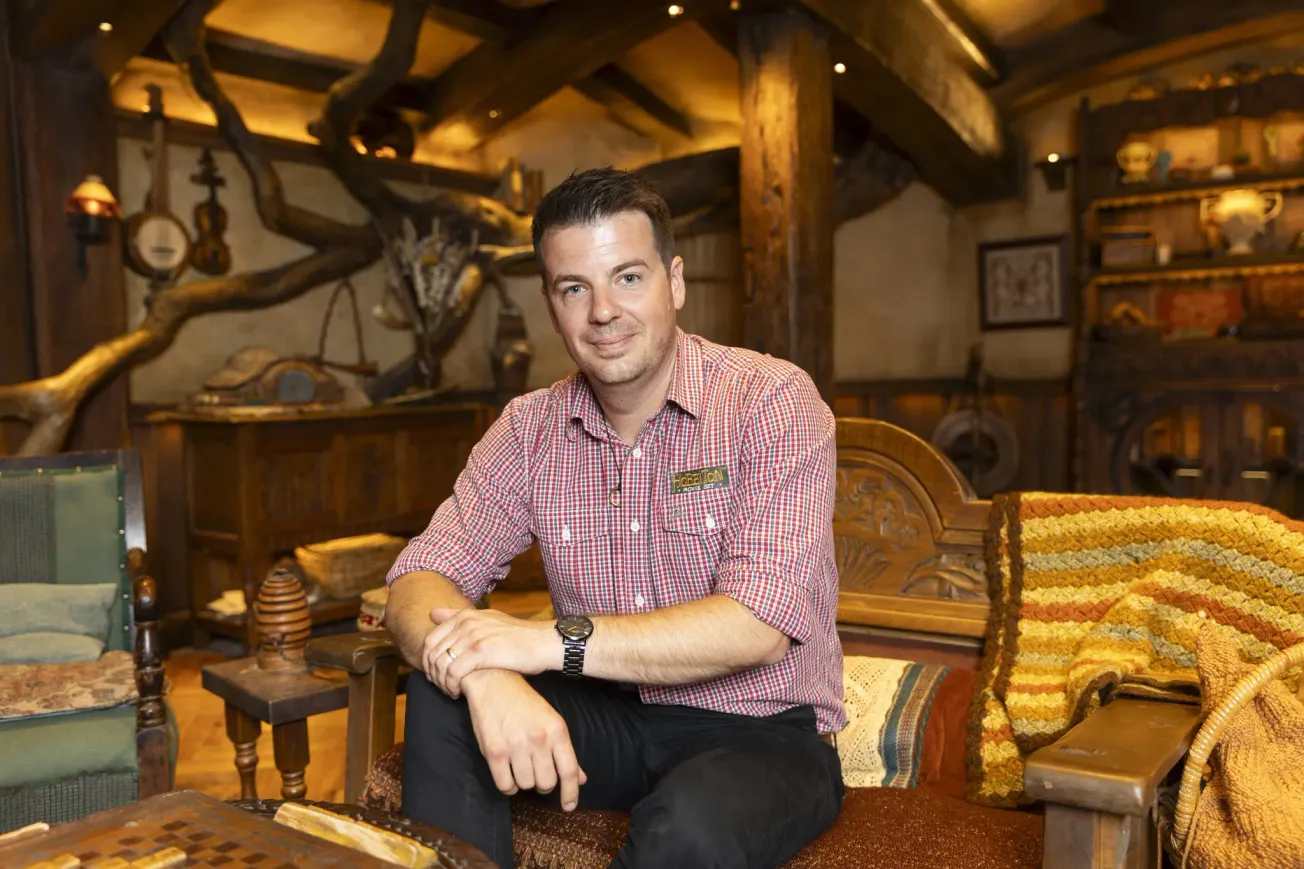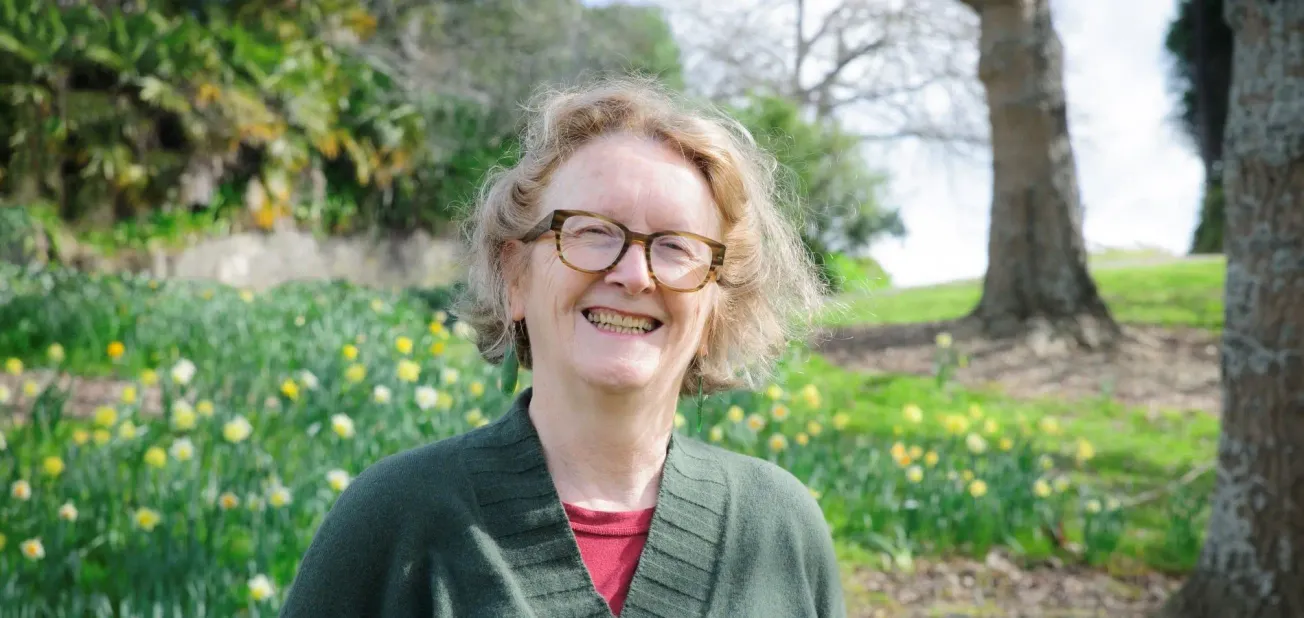
When George O’Conner Patena advised the Greens he couldn’t stand as their Taupō candidate again, his party colleague Celine Kearney decided to throw her hat in.
Kearney says Patena is a hard act to follow.
“I do not put myself on the same level as George.”
“However, when George couldn’t, for whānau reasons, I thought; ‘Well, we need a Green presence’.”

Part of that Green presence is their Drink Swim Fish policy, which sees the following standards made public policy:
- Protect drinking water by setting strong environmental limits and lowering nitrate limits.
- Protect rivers and coasts by strengthening rules for wastewater discharges.
- Protect our moana by phasing out destructive bottom trawling.
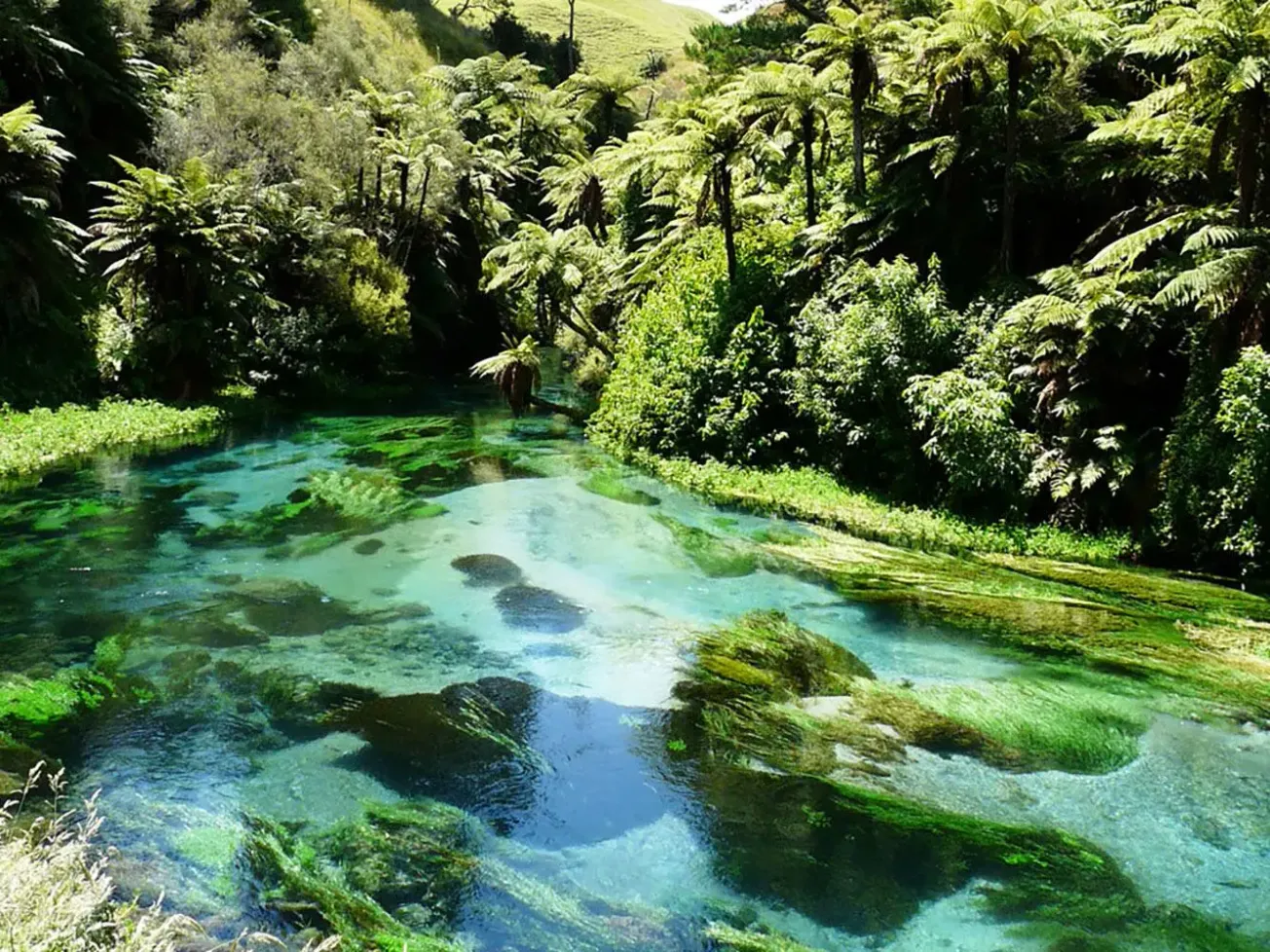
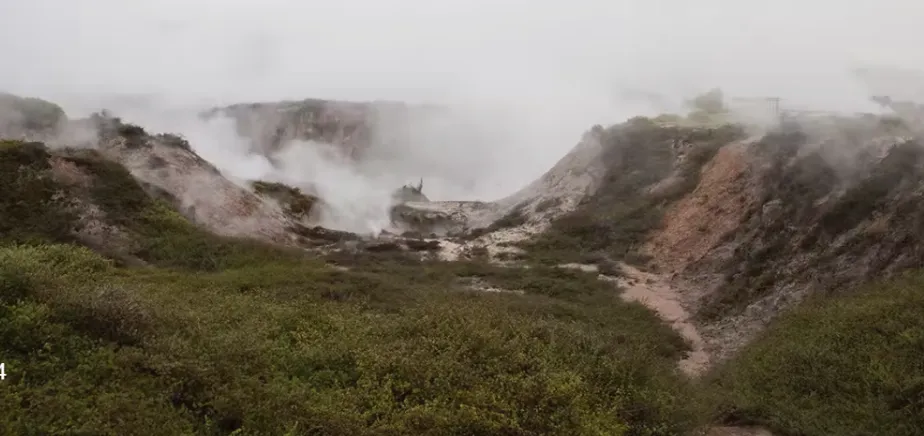
In an electorate where New Zealand’s largest river catchment starts, and the country’s largest lake and oldest national park is located, Kearney says Drink Swim Fish is needed.
From farming to teaching English
Kearney is the daughter of Otago farmers. She was rearing sheep in the South Island high country.
“I understand what it is to work on the land and care for animals and work hard,” she said.
“I knew my way around the sharing shed when I was a much younger woman.”
Since then she’s been a long-time Greenpeace member, a Forest and Bird supporter, and has been active in the Women’s International League for Peace and Freedom (WILPF) and the Nuclear Free and Independent Pacific Movement.
She also teaches English in Hamilton to migrants and refugees.
How Green policy has helped Taupō electorate voters
When asked about the gains the Greens have delivered as a smaller party, Kearney’s first answer was the Warmer Kiwi Homes initiative launched in 2018.
The policy offers up to 90% off costs of insulation and heating for New Zealand homes.
“It was said that ... it was going to be too expensive for landlords or too expensive to build,” she said.
“Now it’s integrated into our whole housing system.”
Kearney said the longevity of the policy was proof of its effectiveness. And she spoke of its wide ramifications to people’s health.
“It means that they’re not in our hospitals,” she said.
“Then with coughs and lung infections that are going to cost not only our health system but the quality of their life.”
She also pointed out the Green Jobs for Nature policy provided employment in the Taupō region during Covid.
Greens are ‘not the bogeyman (or bogeywoman)’
When asked what her message was to the more conservative voters in the Taupō electorate, Kearney said:
“We are not the bogeyman or the bogeywoman,” she said.
“Our interests are your interests and they are the interests of your children and your grandchildren.”
She said the environment didn’t have to suffer for the sake of the economy and vice versa.
“We are here to ensure the health of the awa and to feed the land of this province,” she said.
Having access to healthy drinking water that people can swim in, is not a privilege but a right that the Greens are ready to protect, she said.
Celine Kearney is up against:
- Louise Upston, the National incumbent MP.
- Chris Flatt, Labour.
- Sam Plummer, Opportunity.
- Itania Nikalao, Independent.
- Gordon Wilson, NZ Loyal.
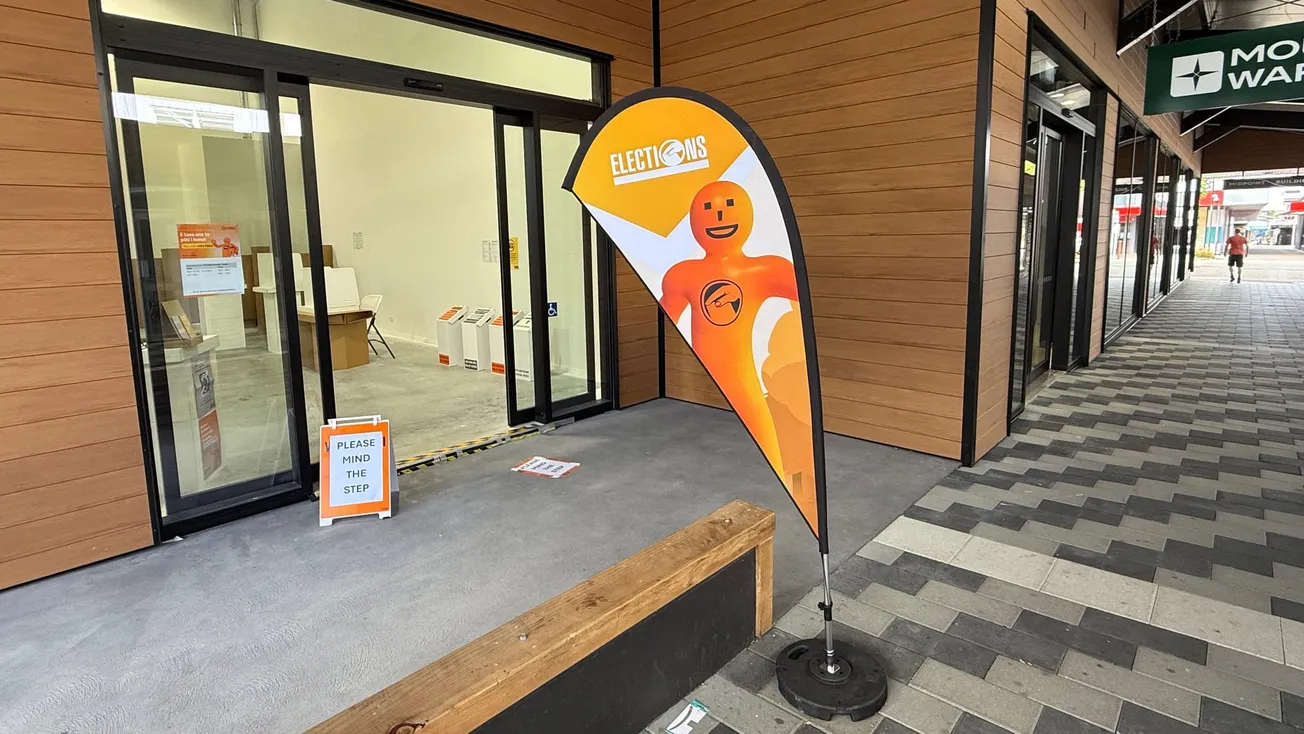
Early voting has begun, and the final day for voting is November 7.