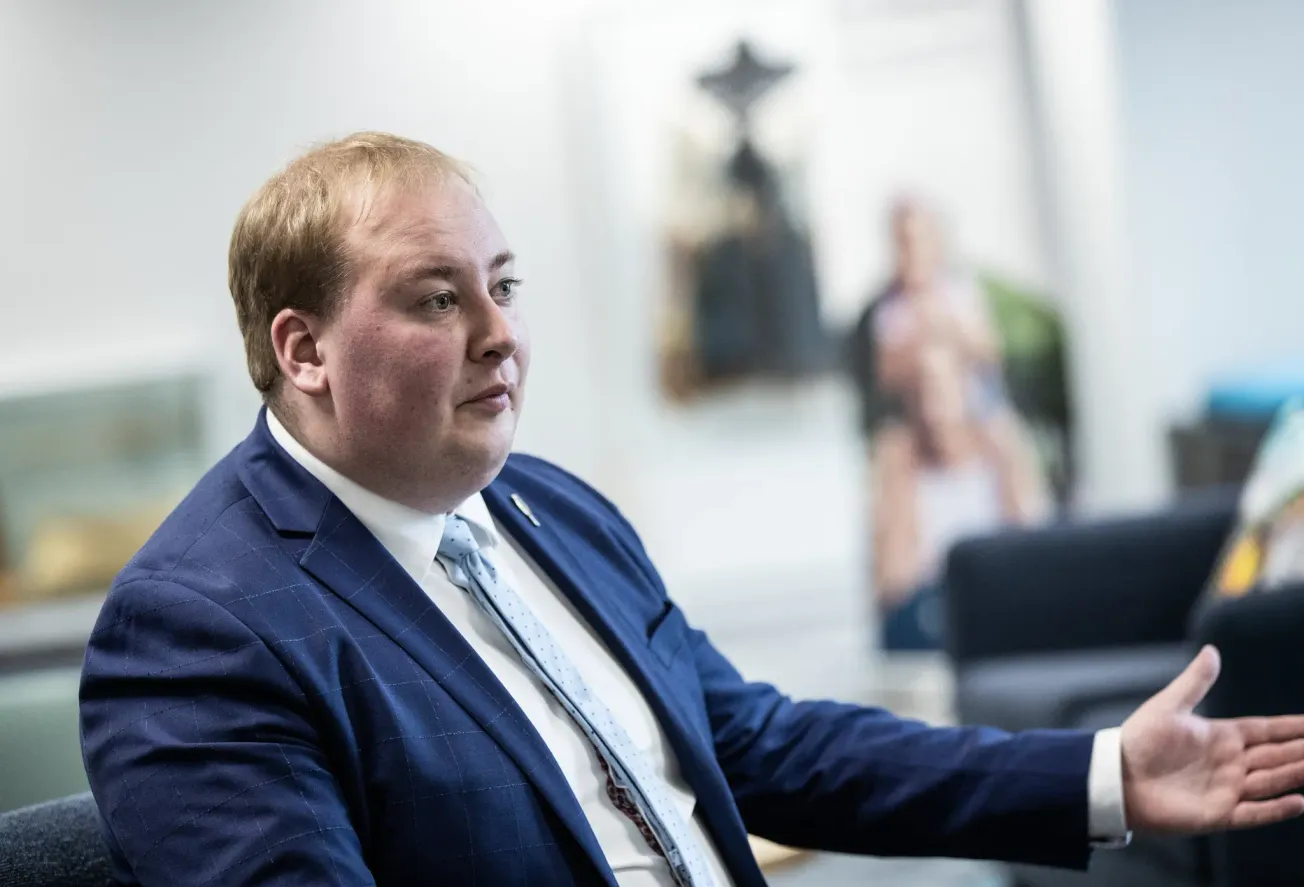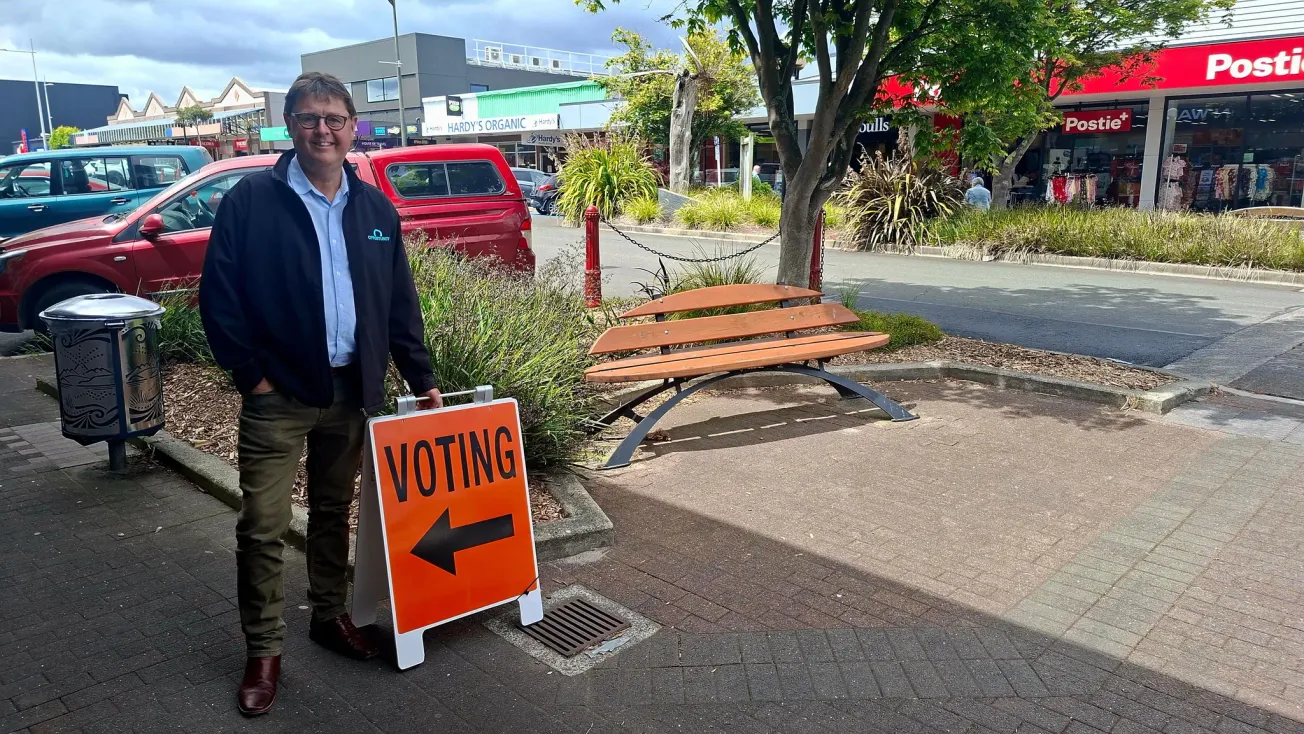
When Taupō Opportunity candidate Sam Plummer returned to New Zealand in 2018, he found a very different country from the one he left.
Hailing from Hawke’s Bay, Plummer spent 15 years in Cambodia before making Taupō his home.
“I spent many years overseas talking about New Zealand as best practice,” Plummer said.
He used to think New Zealand’s health and political systems were examples for the world to follow.
After securing a position with New Zealand’s Volunteer Service Abroad (VSA) in 2003, he worked with an NGO clearing landmines.
Later on, he picked up paid work.
“[I] got into international development projects,” he said.
Plummer said he worked for the World Bank and the UN, and did a lot of work for the German Government.
Upon his return to New Zealand in 2018, he believed the version of his home country he told people about when he was in Cambodia no longer existed.
He said he saw a country that was too expensive to live in, and a disunited Parliament.
“All I was hearing was squabbling and blaming and flip-flopping,” he said.
“I was quite disappointed by what I saw.”
Fostering co-operation
Plummer said the development sector often took its direction from reports compiled by people on the ground.
He said to him, success came when funders, NGOs and governments took the evidence from such reports, listened to each other’s viewpoints and worked together effectively.
He said he saw parallels in that co-operative approach and believed MMP was designed to foster that cohesion.
“MMP is about being able to build consensus around issues, consensus around policy areas in Parliament,” he said.
He said in his view, the dissatisfaction with MMP came from its misuse.
“We’ve got two groups, that you know, whoever’s in power that gets to make all the decisions and then when the other side gets in power, they undo all the decisions they didn’t like.”
He said the Opportunity Party believed in working with any party to introduce evidence-based policy for the benefit of all New Zealanders.
An Opportunity for change
Plummer said the Commerce Commission needed increased powers to bring the cost of living down.
He said it needed to go beyond writing reports and instead become a means to fair and open competition.
New Zealand’s small population made its various markets prone to saturation and healthy competition was needed to bring prices down.
Energy reform
Plummer said he recognised the cost of energy contributed a large part to the cost of doing business and thus the cost of living.
He also said high energy costs had contributed to the closure of Winstone Pulp’s two mills at Karioi and Tangiwai, and the Oji Fibre mill at Kinleith.
Opportunity had a policy of energy abundance to help bring down the cost of power.
“We want to invest heavily in renewables to get to a point where the cost of energy is not a determining factor of whether you start a new business, or whether you can continue to run your business.”
Part of this is Opportunity’s capacity investment scheme, where long-term planning is meant to ensure power stations continue to be built.
This could be funded by ringfencing the profits from Crown-owned generators such as Mercury, Genesis and Meridian, he said.
In a bid to “clean up politics”, Plummer said Opportunity stands for creating a Lobbyist’s Register so voters know who is lobbying each party and to cap political donations.
Chris Plummer is up against:
- Louise Upston, the incumbent National MP
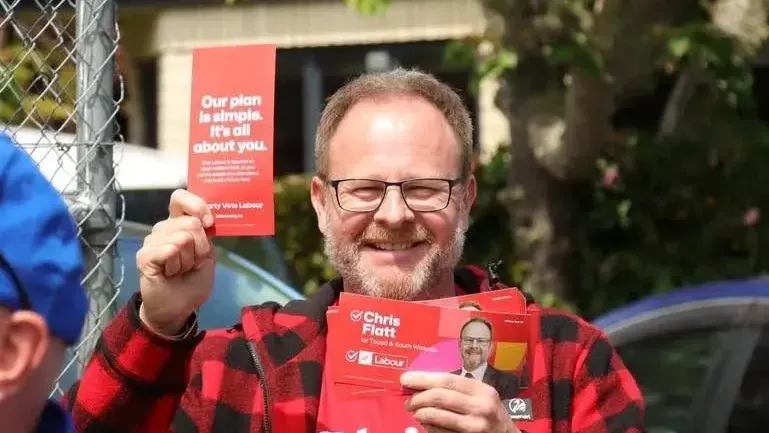
- Chris Flatt, Labour
- Celine Kearney, Greens
- Itania Nikolao, Independent
- Gordon Wilson, NZ Loyal
Early voting has begun, and the final day for voting is November 7.