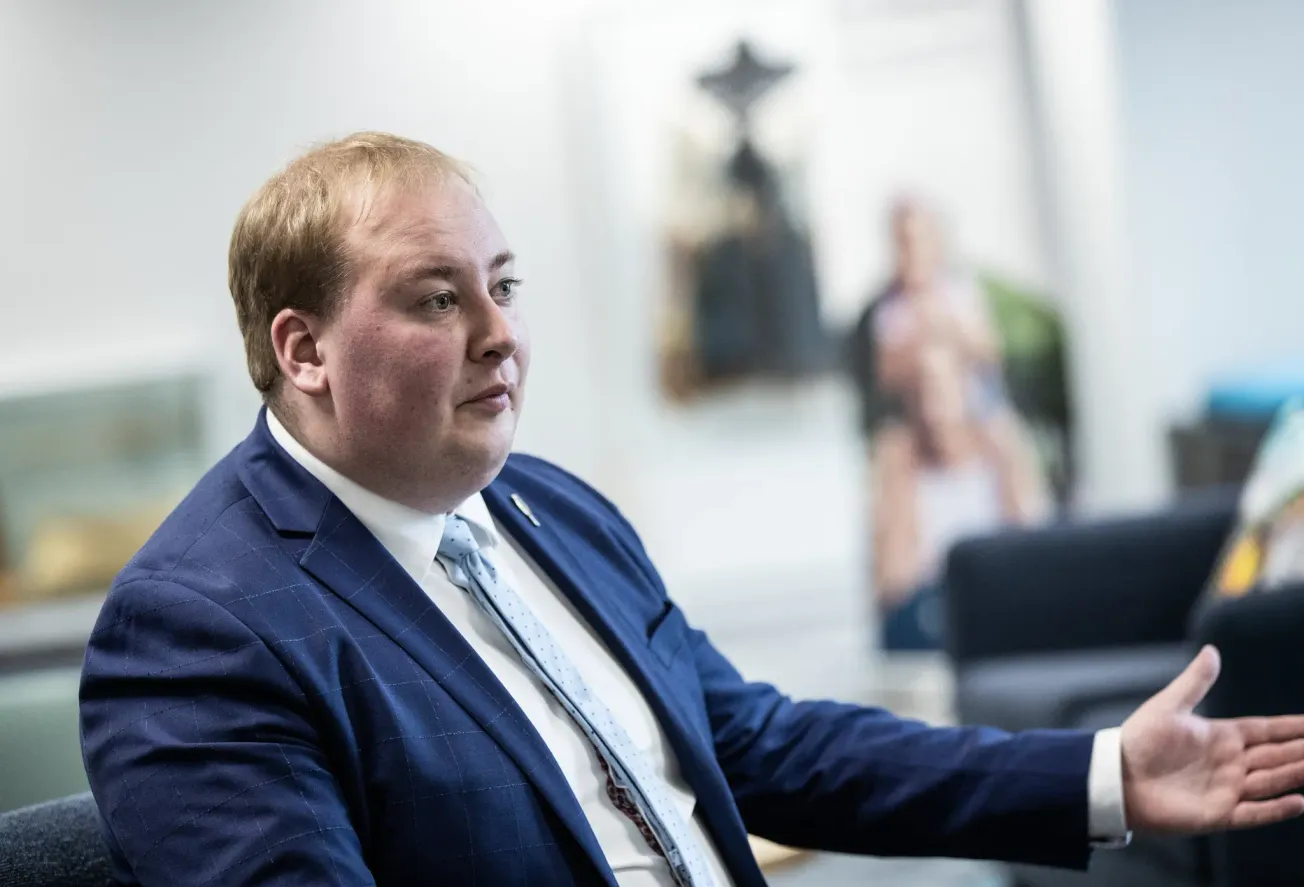
Ratepayers need to choose between lower rates or getting infrastructure and services, a leading economist says.
Annual inflation and council rates/payments have risen 3.7% and 6.2% respectively in the 12 months to the September 2026 quarter, with New Zealand’s rates bill making up a 5.5% contribution to overall inflation, according to Stats NZ.
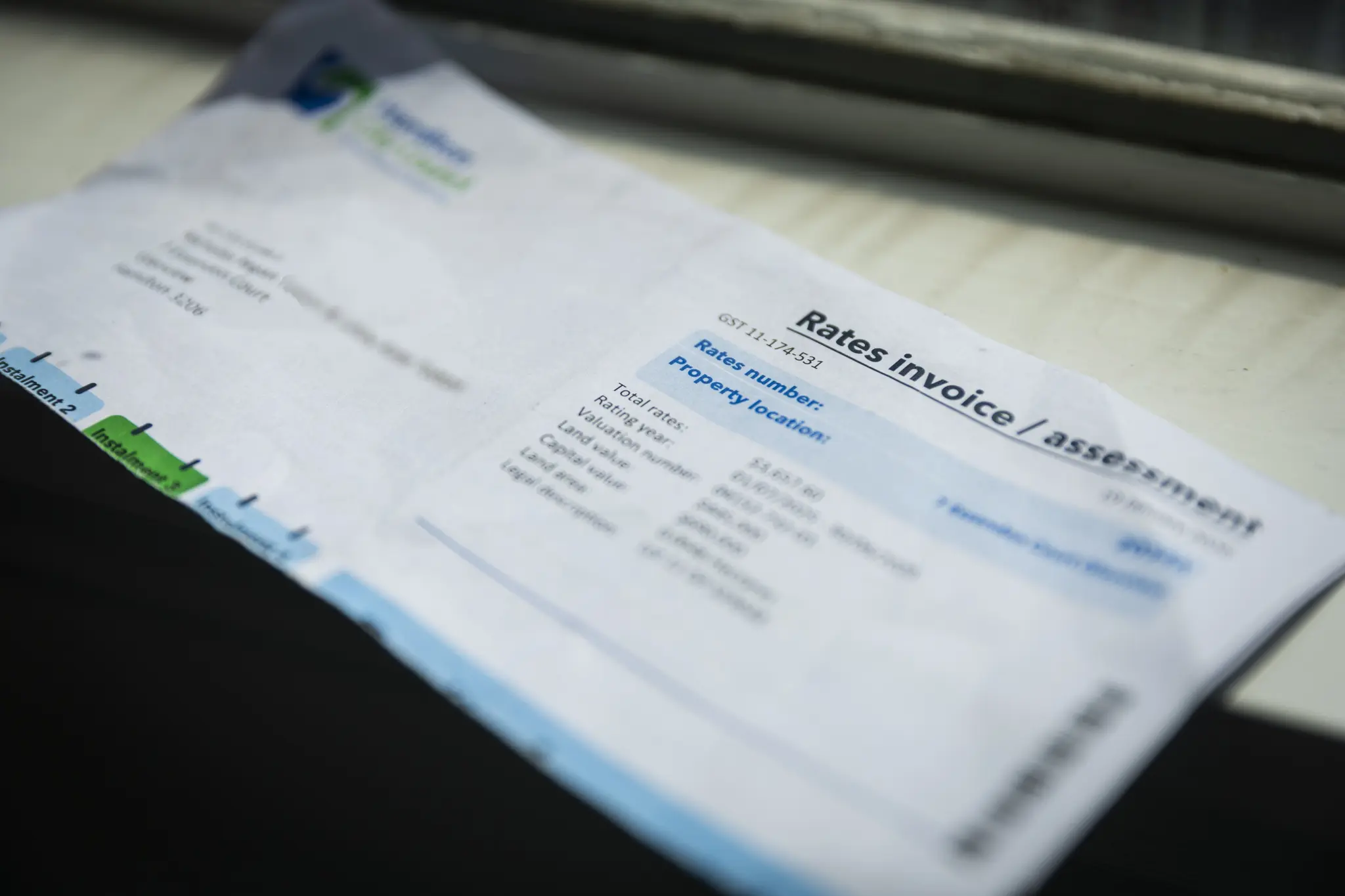
Infometrics principal economist Brad Olsen said residents and ratepayers cannot realistically demand lower rates while expecting the council to deliver "the same, if not greater services" over time.
“That's very hard to deliver at the moment and a little bit unrealistic.”
Olsen says while the rates increase is still a fair amount, it’s a far cry from the 8.8% and 12.2% increases from the previous two years.
“Clearly there’s an affordability challenge that councils do hear quite clearly from residents and ratepayers saying these increases have been hard to stomach.”
“They are causing some financial difficulties for some households [and] there’s questions around value for money.”
However, with prices for materials councils frequently purchase sky-rocketing over recent years, Olsen says local authorities are now “between a rock and a hard place” in posting affordable rates as well as managing their own high costs.
To help provide rates relief to households and businesses, the Government is planning to cap rates increases to 4%, taking full effect from July 1 2029.
Defending the cap, local government minister Simon Watts told Local Democracy Reporting that Government will take steps to help councils deliver core services and reduce “unnecessary regulatory burdens”.
“Councils need to live within their means and stop paying for any non-core services just like households and businesses do. Ratepayers are tightening their belts, as is the central government, councils need to play their part too,“ Watts says.
Olsen says the shift may help households on a surface level but really “hides the issue”.
There’s a challenging conversation needed between councils and their communities, he says.
“From a household perspective you might well get cheaper rates, but if you’re paying more every time your car gets wrecked and more and more potholes over time, what’s better?”
The price of bitumen rising nearly 60% in a year due to the war in Iran was one of the examples Olsen gave, adding bridge construction and water system delivery costs have risen more than 50% and 65% over the past decade.
“If you were to only have rates increase at the pace of inflation, you have to give up quite a lot in terms of water and roading infrastructure and other important stuff that communities are demanding we know we’ve fallen behind on investment.
“I’m sitting here in Wellington where we’ve clearly under-invested in water to the degree we had poo running down the streets.
“That is sometimes the harsh reality if you don’t fund enough vital infrastructure, it can come falling down around your ears.”