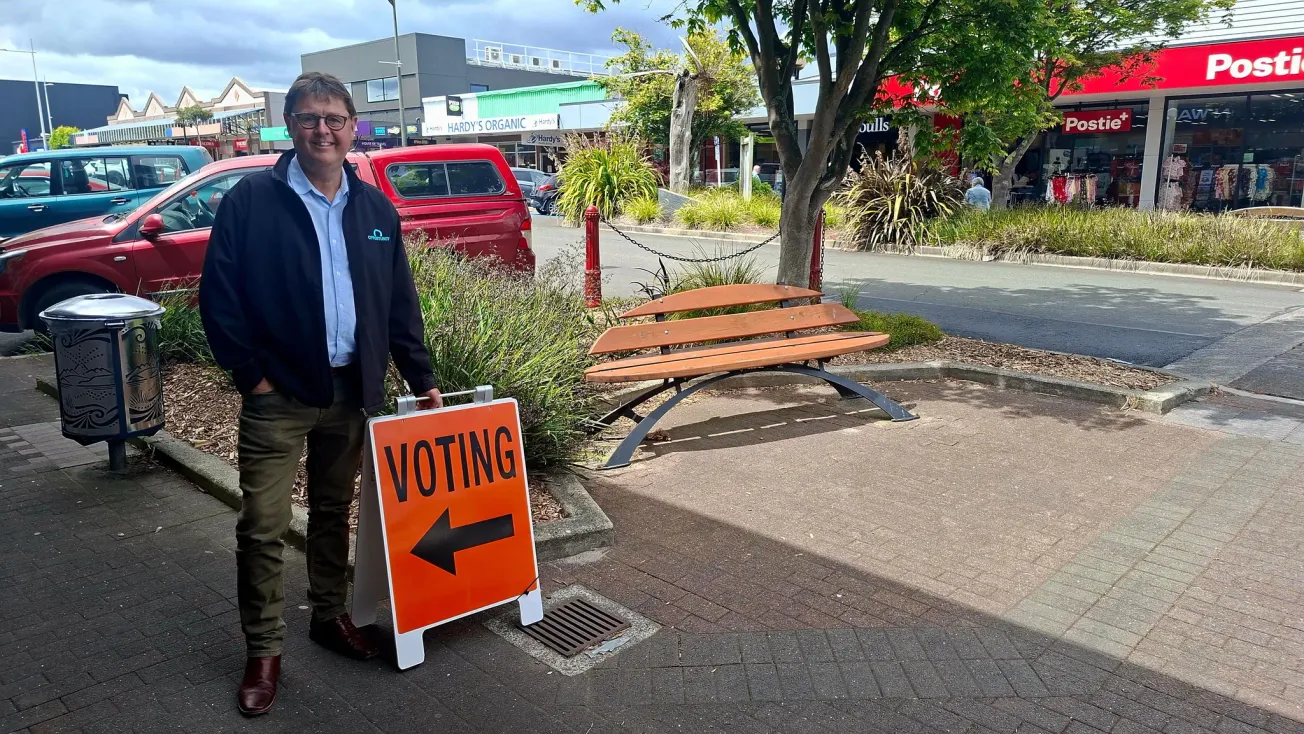
Ruapehu Mayor Weston Kirton says National’s decision to rule out a bed tax leaves tourism-heavy districts without a fair way to pay for the costs created by visitors.
On Sunday, National ruled out an accommodation levy if re-elected, abandoning its previous position that it would consider the tax in its next term to help meet the cost of visitor demand.
Kirton said the decision removed a potential user-pays tool that could have eased the burden on Ruapehu ratepayers to fund infrastructure used by visitors.
“The question now is what mechanism is Government going to use to support districts like Ruapehu with small, high-decile deprivation ratepayer bases and large tourism demand.”
The issue was particularly acute in the Ruapehu district, where a small ratepayer base faced the costs of infrastructure needed to service major visitor attractions like the Tongariro Crossing, the Ruapehu skifields, the Whanganui River journey, and the Tongariro and Whanganui national parks.
Ratepayers were already paying for tourism through council rates, Kirton said.
He backed visitors contributing directly to the costs they create.
Ruapehu district faces significant infrastructure pressures during tourist peaks, with roads, parking, water supply, wastewater treatment, waste collection and other services having to accommodate far more people than the relatively small permanent population.
Kirton said Ruapehu had previously benefited from government funding mechanisms such as the Tourism Infrastructure Fund, which helped pay for projects like the Ohakune Water Treatment Plant. That Fund was no longer available, he said.
Councils should have the option to introduce an accommodation levy if they wanted to, Kirton said.
“Government should also help in other ways such as providing a share of GST.”
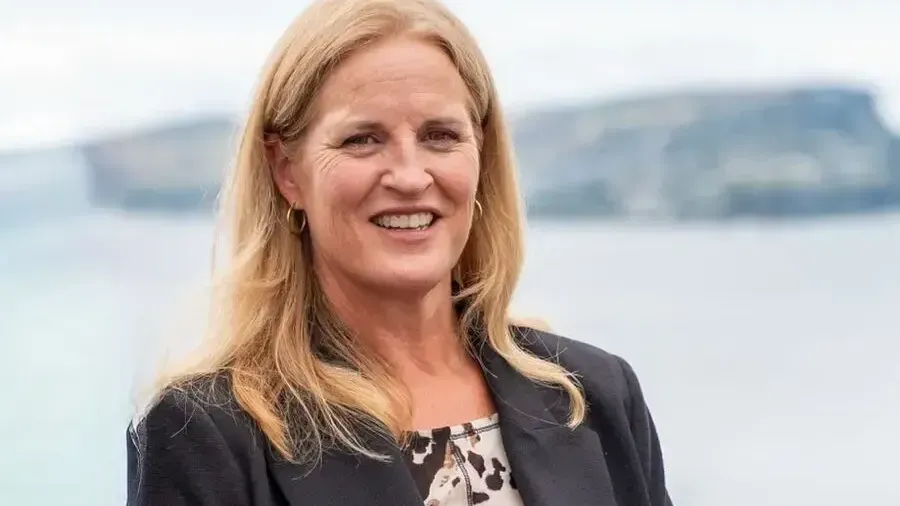
Mackenzie mayor Scott Aronsen also said his council was “extremely disappointed" by National backtracking on a potential bed tax.
The district, which has a small ratepayer base, “desperately” needed central government funding to support its rapid tourism growth, he said.
Tourism groups have called for visitors to contribute to the cost of roads, wastewater, car parks, toilets and other services, saying visitor-related infrastructure costs can otherwise fall disproportionately on local ratepayers.
National has instead said it will look at using existing mechanisms to support councils with tourism-related costs
ACT has proposed a “Local Tourism Dividend”, with councils receiving $1 per guest night in their area from GST and existing visitor levies.
Kirton said he wants a greater share of the International Visitor Levy used for essential infrastructure.
“The IVL currently collects $100 from international visitors to support tourism infrastructure and conservation projects.
“While its application has generally focused on facilities such as tracks, trails, car parks and visitor centres, we believe there is a strong case for extending its use to essential infrastructure that directly enables visitor destinations to function,” he told Local Democracy Reporting.