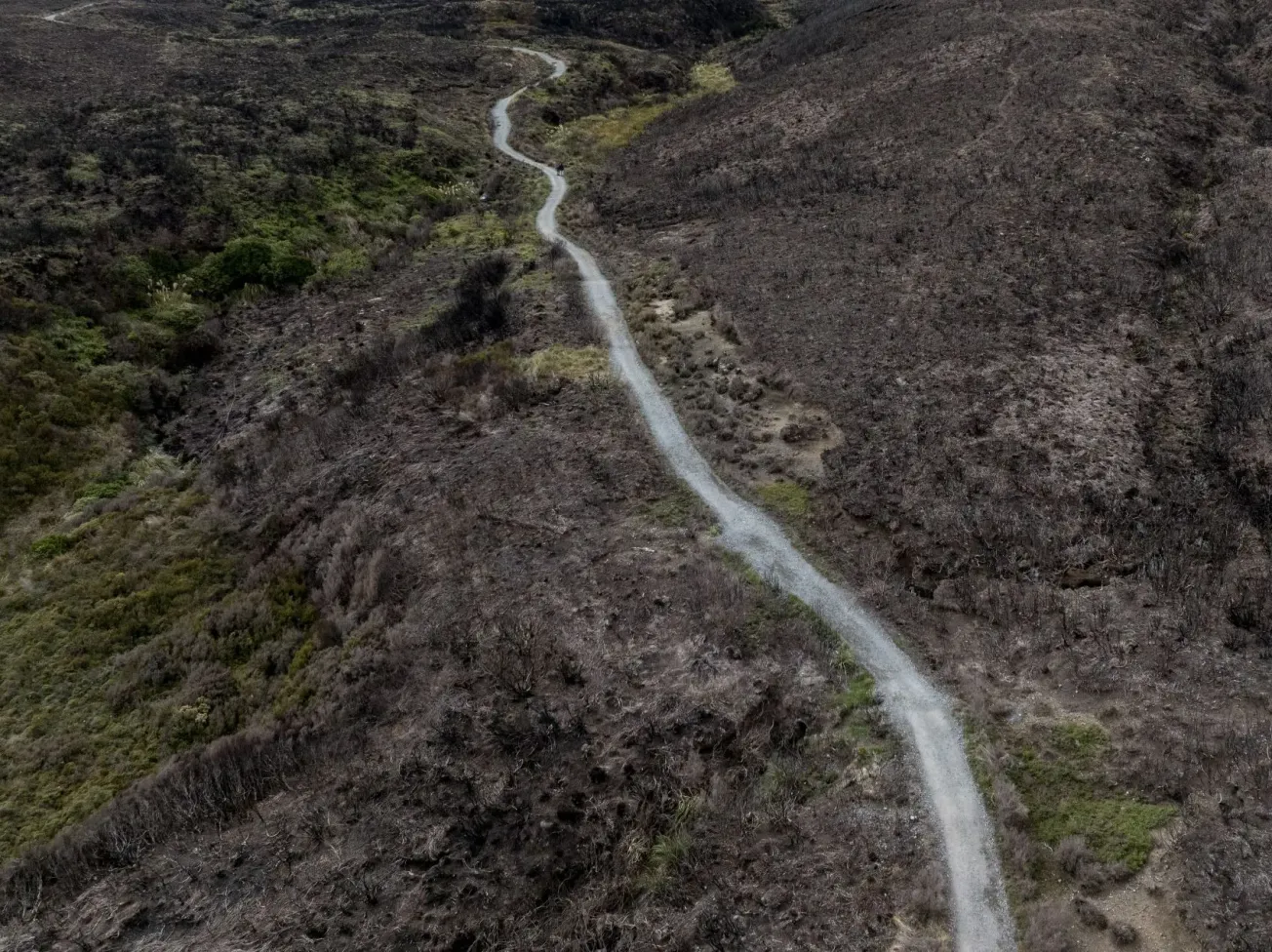
More than 250 hectares of weed control has been carried out and 91 deer removed from Tongariro National Park since fires destroyed thousands of hectares of alpine ecosystems late last year.
The major recovery effort is targeting weeds and introduced browsers such as deer and hares.
Department of Conservation (DOC) operations manager Libby O’Brien said native plants are resilient but the fire-damaged landscape remains vulnerable despite signs of natural recovery.
“We’re seeing things like flax recovering quickly, but the plants here are still really vulnerable to being overgrown by weeds.
“There’s been aerial and ground-based weed control and deer control, and we’re using drones to detect pests and monitor landscape change over time.
“We’re pulling out all the tools to get the work done.”
The fires that began in early November destroyed more than 3000 hectares of slow-growing alpine ecosystems in the dual World Heritage-listed national park.
DOC has been working with iwi, weed and deer control contractors, NZ Transport Agency Waka Kotahi and adjacent landowners as part of the recovery effort.
Visitors to the national park are being asked to respect the 10-year restorative rāhui (protective restriction) placed over the fire-affected area by mana whenua Ngāti Hikairo ki Tongariro to limit further ecosystem disturbance.
Visitors were expected to stay on open tracks, keep shoes and gear clean to prevent weed spread, avoid fire-affected areas off-track and take all rubbish with them.
The rāhui aims to protect the landscape while long-term restoration work is done.
Ngāti Hikairo ki Tongariro spokesperson Te Ngaehe Wanikau said last year the 10-year commitment would help heal the land and restore the mauri of Tongariro.
“Visitors can still walk the tracks, but the burn areas need time. This is about creating a future where healing the maunga becomes a shared kaupapa.”
In February, $3.5 million in International Visitor Levy funding was allocated over five years to support recovery of the Tongariro landscape, including the Tongariro Alpine Crossing.
So far, more than 250ha have been treated for weeds and of the 91 deer removed from the area, 25 were delivered to a local marae for food.
O’Brien said the national park and its recovery has cultural, economic and social significance for the community.
The recovery would take years and weeds will remain visible across the park, O’Brien said.
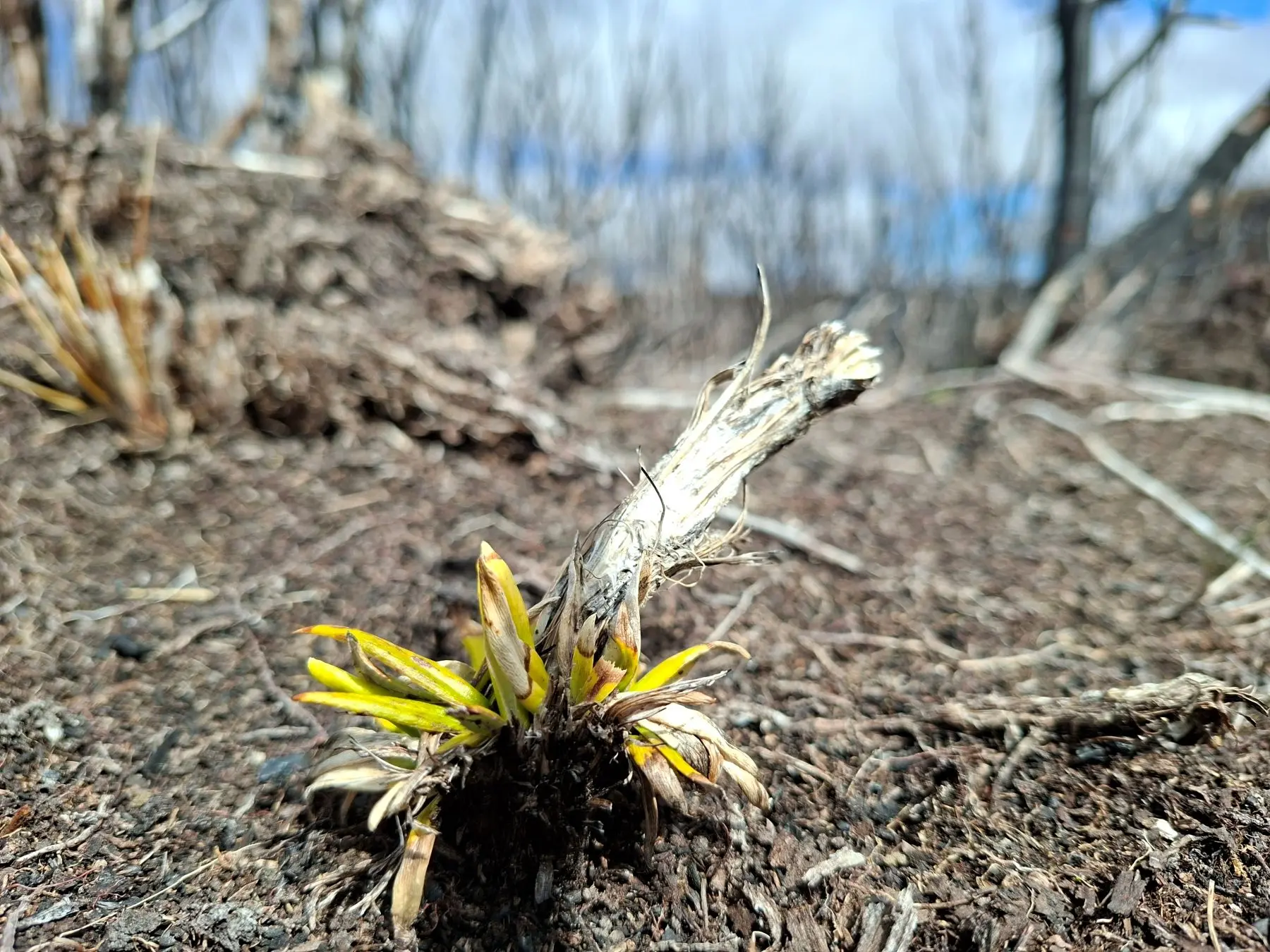
“We haven’t eradicated the weeds, so we can still expect to see plenty of yellow broom flowering in the park. This is a long-term project, and it will take time to see results.
“Over time, we expect the scar on the landscape to slowly disappear, replaced by native plants.”
A community open day would be held on 16 October at 10am at the Blue Mountain Adventure Centre in Raurimu, to allow people to hear more about the recovery work.