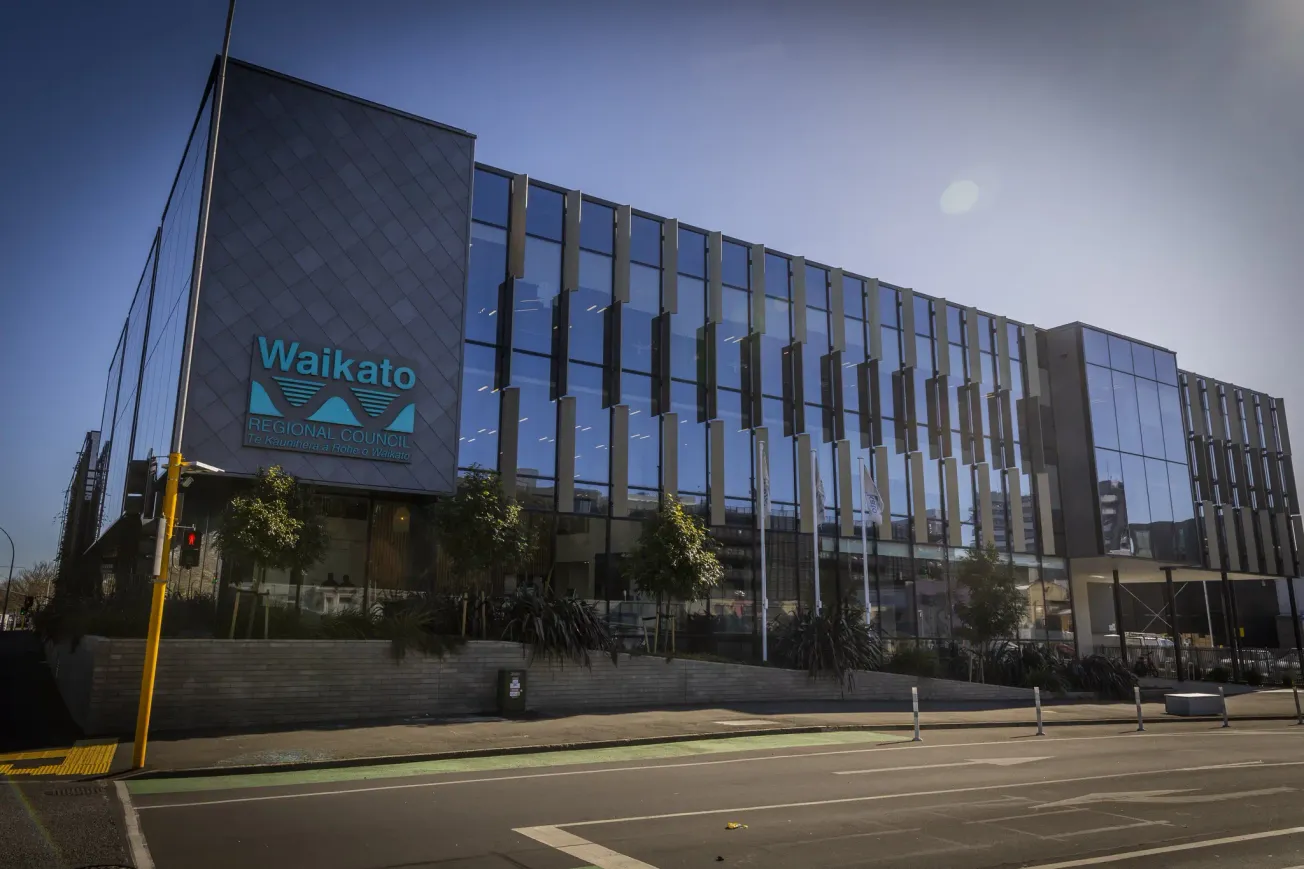
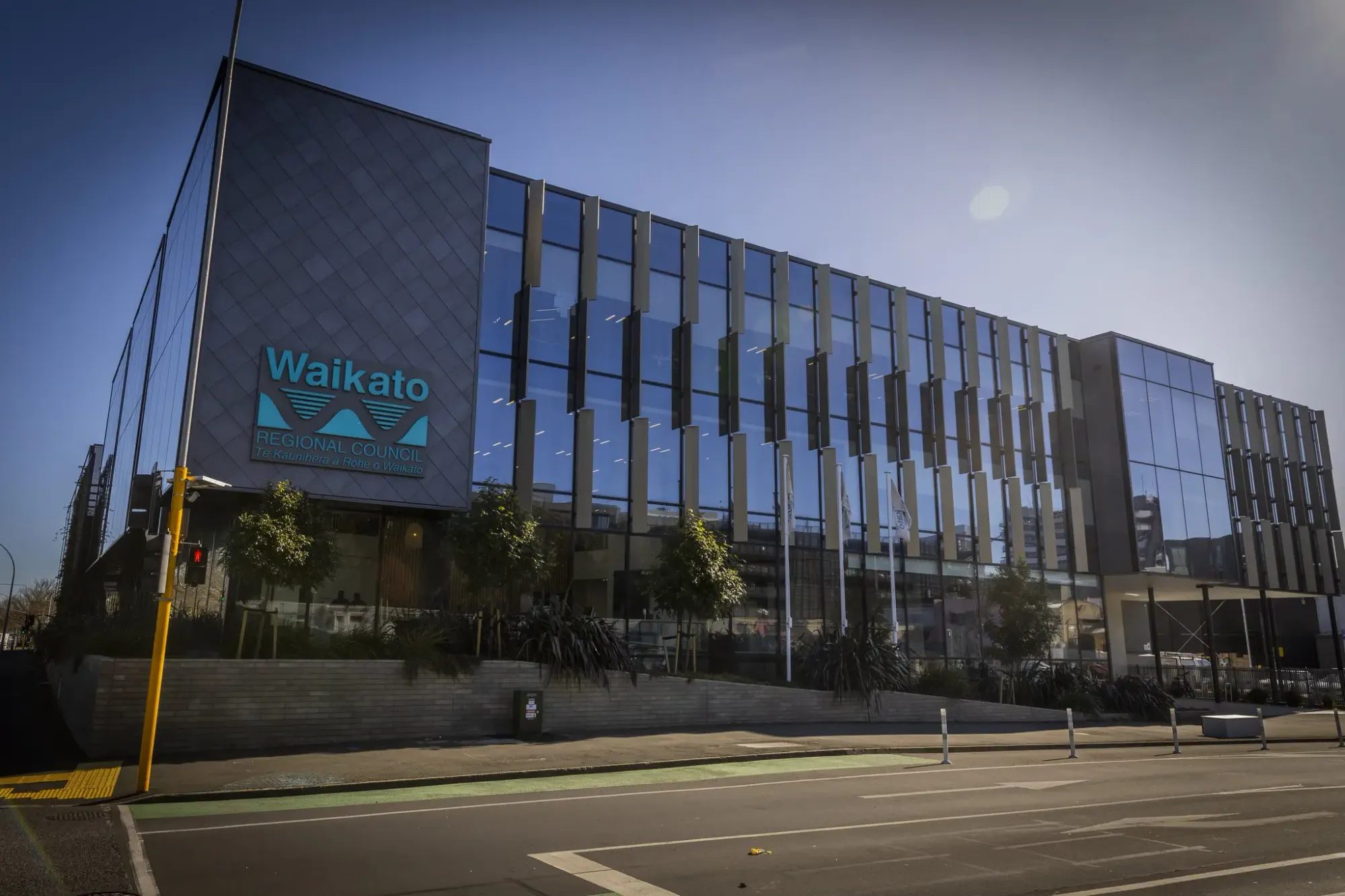
Waikato SuperGold card holders can break out the sherry after Waikato Regional Council agreed to retain free on-peak bus travel for members.
The decision marks a complete U-turn for council with it having signalled as recently as late August that the scheme would be axed as part of its public transport fare policy review.
A tidal wave of residents and notable figures fiercely opposing the cut crashed down on council, as key themes of hospital appointment accessibility, social interaction and cost-of-living emerged.
Waikato will remain New Zealand’s only region that subsidies free travel between 7am-9am and 3pm-6:30pm Monday-Friday, which in 2028 will cost ratepayers $180,000. Free transport is provided at all other times country-wide via Government funding.
Emotions are riding high for Grey Power Hamilton chair Rudi du Plooy, who has been outspoken about how he believes an axing would severely affect senior citizen’s quality of life.
“There was a mixture of fear, anguish and desperation among many of the elderly. My heart just went out to them,” du Plooy told Local Democracy Reporting.
“The common thread was fear: fear of missing appointments, of paying full fares on a fixed income, and of being cut off. Hospital staff told us they already advise patients not to drive because parking is so limited at peak times.”
It is feelings of “relief and gratitude” now for du Plooy, who says older citizens, especially those receiving NZ Super and living alone, can stay connected to their families, health-care providers and communities.

“It also helps people who don't drive, people with health problems, and rural residents who rely on buses to reach Hamilton. In practical terms the cost is about $155,000 a year, roughly a tenth of one percent of what council raises in rates.”
The recommendation to keep the scheme was made by council’s RTC Public Transport Subcommittee earlier this month, where elected members heard first-hand from passionate submitters.
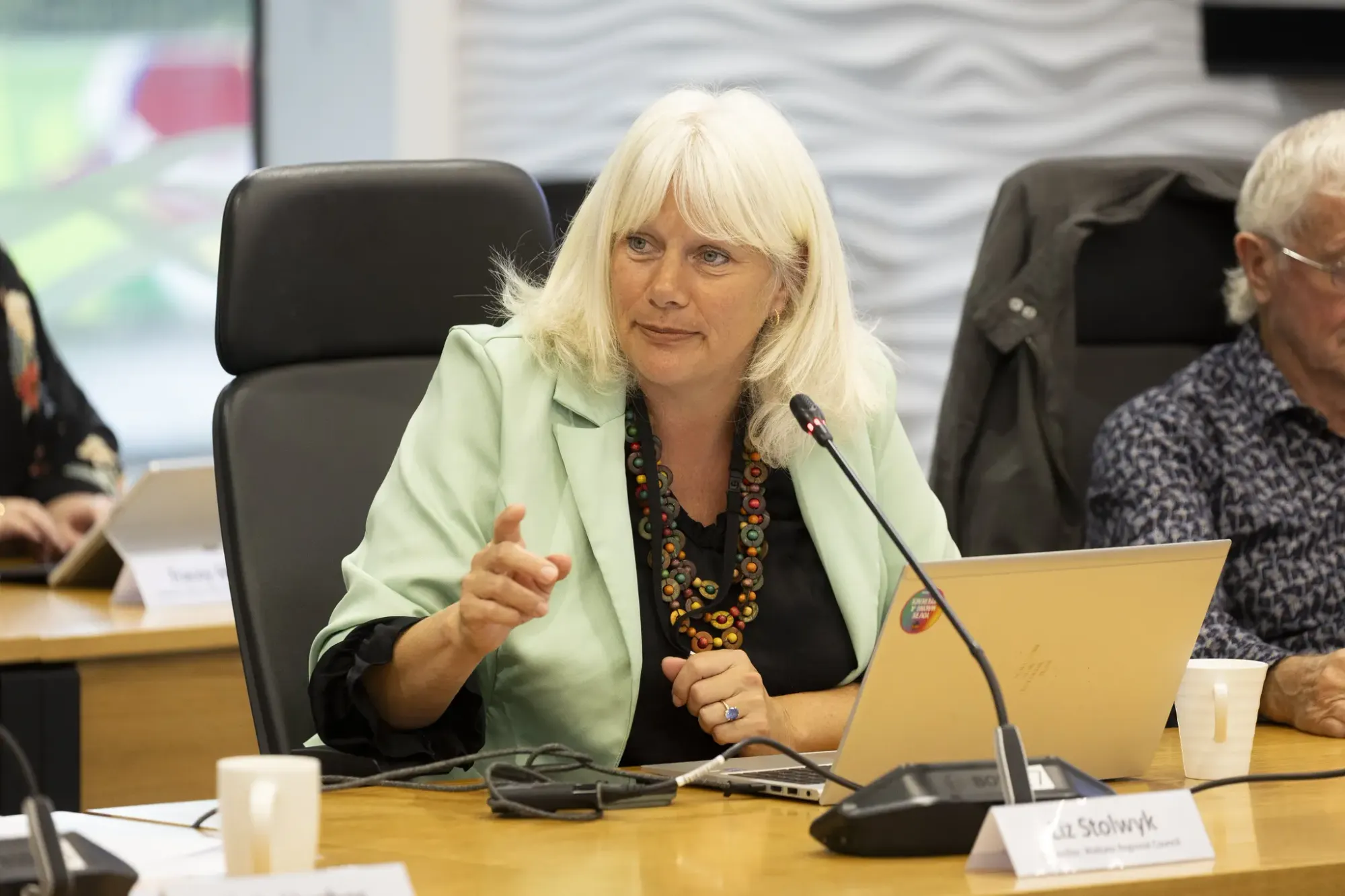
Subcommittee chairperson Liz Stolwyk said members went into the hearing “knowing we had strong, strong submissions from people wanting to keep the status quo”.
“I understand the need to want to move towards a national direction [but] at the same time, I don’t mind being an outlier - it doesn’t bother me,” Stolwyk said.
“If Waikato wants to show support for its SuperGold holders and say that ‘hey we value you and we’re happy to continue with the subsidisation’, so be it.”
A proposition to keep peak morning travel free and fare charge in the afternoons was batted around council chambers, with councillor Ray Broad saying it takes a step towards both directions of increasing fare collection and nationalising the scheme.
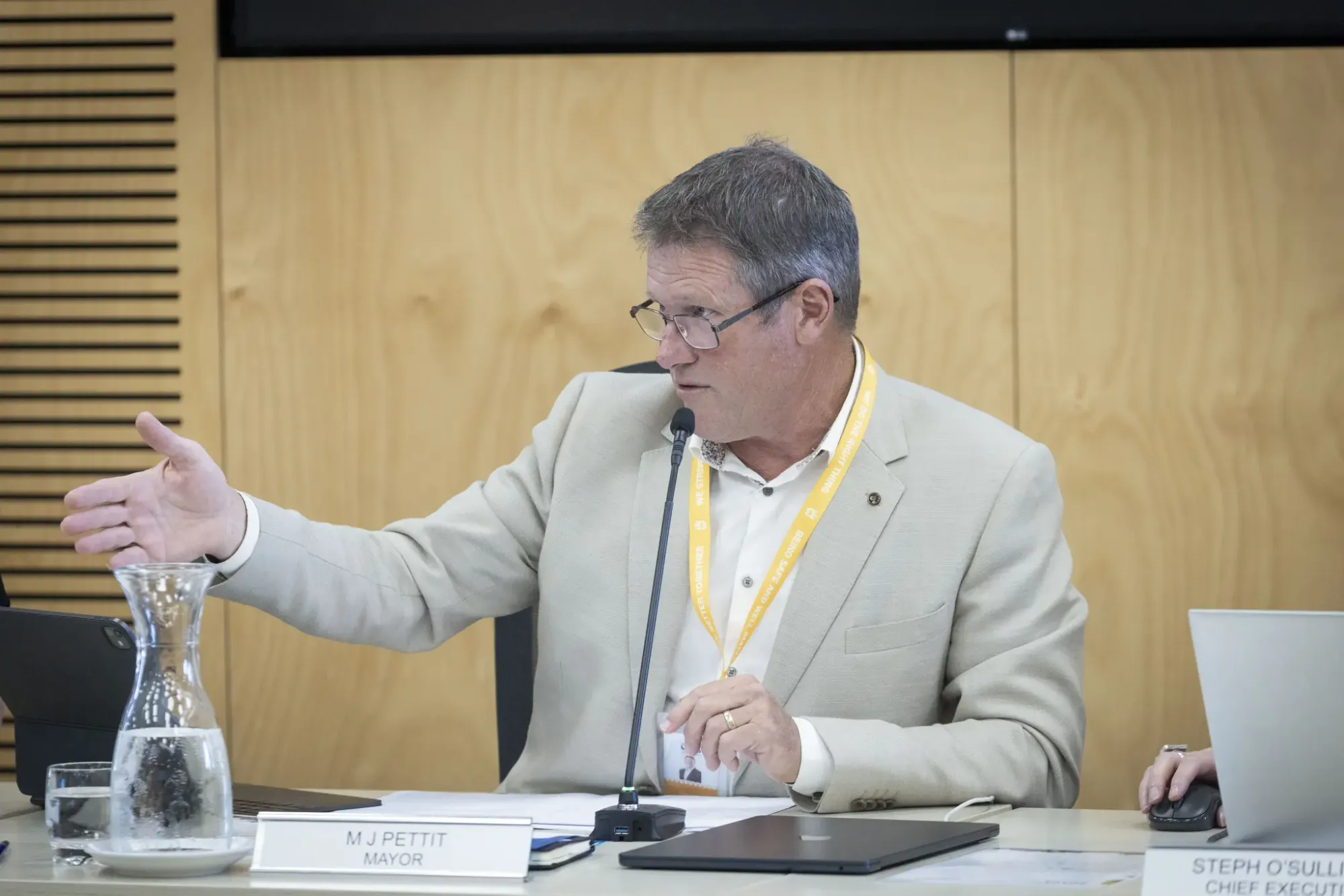
Waipā District Council mayor Mike Pettit originally agreed with Broad, saying it’s “probably easier” to find $70,000 to fund free mornings only rather than $180,000 in 2028 for a full subsidy.
“You’ve got to find the money… it’s not free. Someone’s going to be paying for this,” Pettit said.
He later said he had “no issue” if the status quo passed though, preferring a strong direction forward from councillors.
Du Plooy congratulated councillors for listening and delivering, acknowledging that it is “not easy” during budget pressures.
“Waikato led in 2022 by offering free peak travel when no other region did, and you have chosen to keep leading,” du Plooy said.
“I'd also encourage councils around the country to treat seniors as an interest group that must be consulted on decisions that affect them.
“Seniors are special, and decisions about their daily lives should be made in consultation with them and their collective groups.“
What it means for Taupō
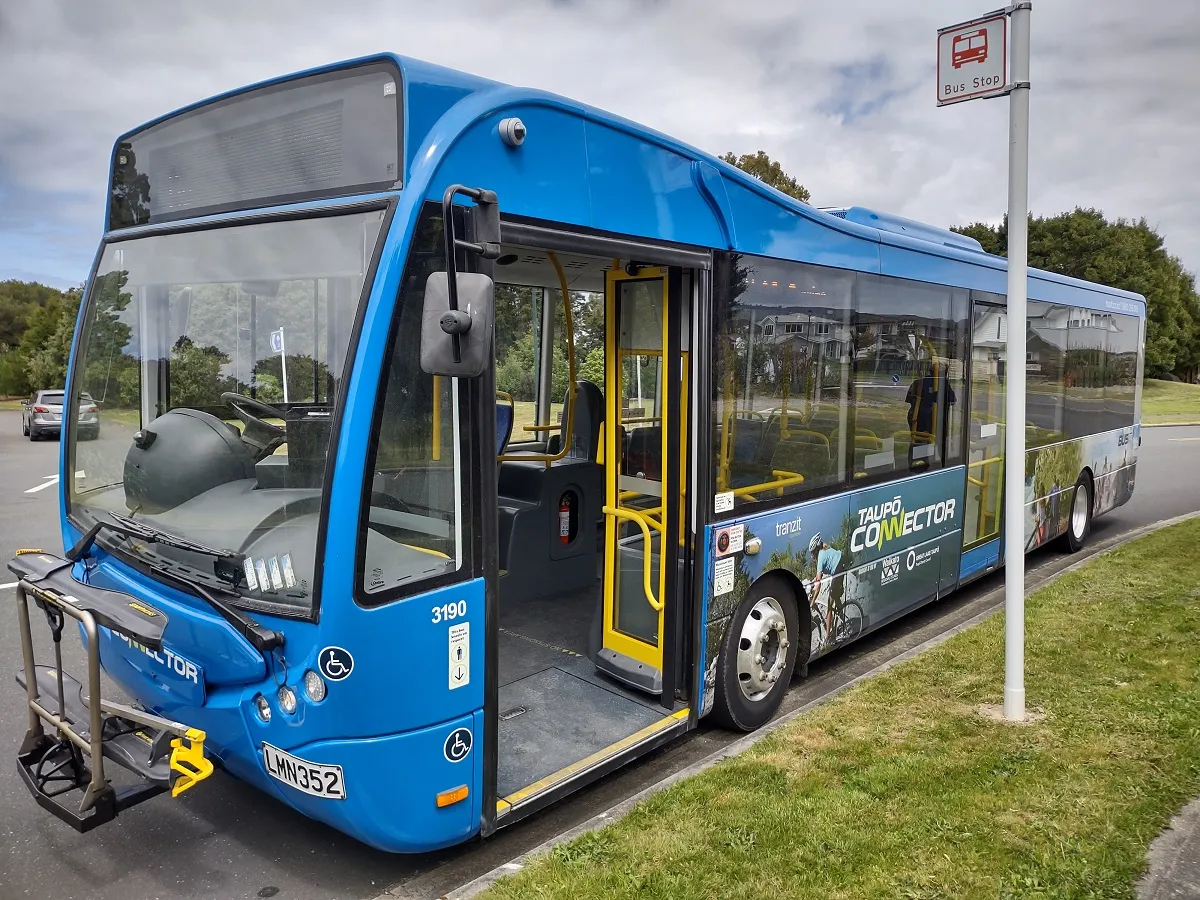
Taupō's town and rural buses are part of Waikato Regional Council's Busit network. SuperGold holders with the concession loaded onto their Bee Card can keep travelling free on any Busit service at any time.
- Taupō Connector (Wharewaka to Nukuhau via town, Monday to Saturday): stops include Taupō Hospital on Listen Ave, Woolworths South Taupō and Pak n Save. The weekday trips at 7.25am, 8.15am, 3.40pm, 4.40pm and 5.30pm fall in the peak windows that are now staying free.
- Connect2Taupō: rural services to Acacia Bay, Kinloch, Tūrangi, Wairakei, and Tokoroa via Mangakino. They include early trips to Wairakei and to Tokoroa via Mangakino on Tuesdays and Fridays, and an afternoon service to Tūrangi on Mondays and Thursdays.
Timetables and Bee Card details are at busit.co.nz.